How Physiotherapy Helps in Sports Injury Rehabilitation
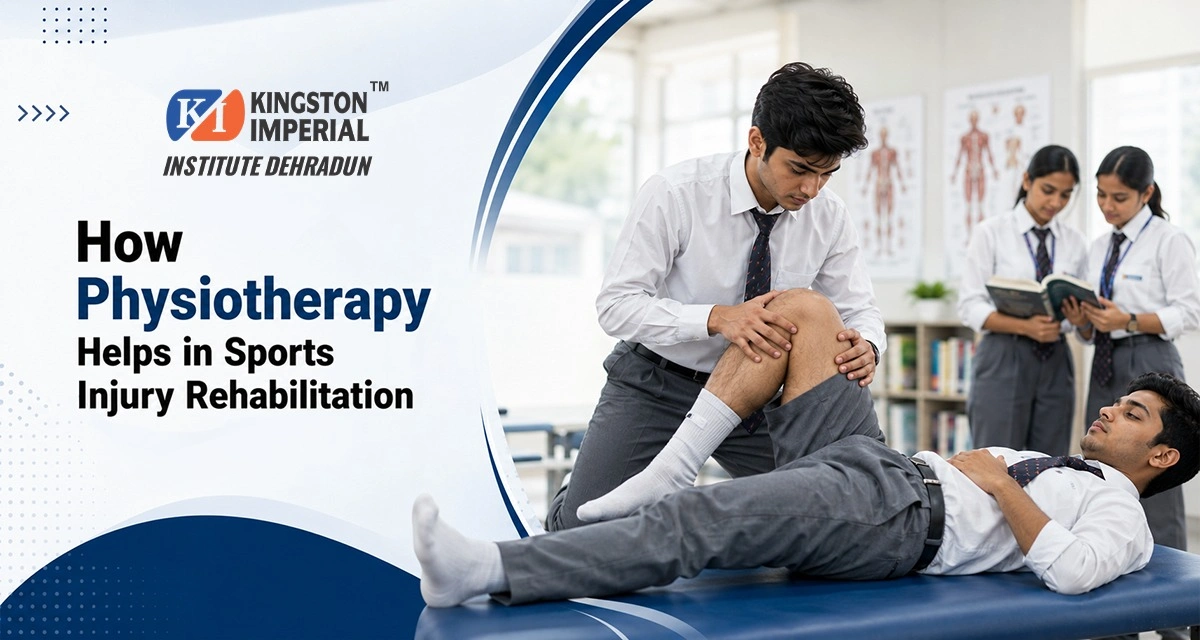
All athletes are familiar with the pain of injury – the abrupt halt while sprinting, the painful twisting during a landing, or even the lingering pain after playing through a season. Whether it’s a sprain, a ligament tear, or shoulder pain, sports injuries come hand in hand with being an athlete. The bright side? With the right plan, these injuries don’t have to be the final step in your athletic career. Physiotherapy for sports injuries is the tried-and-tested way to help you get back on your feet again.
Let us now examine what physiotherapy for sports injuries involves and why it is more important than just giving up and wishing that your pain goes away.
1. A Precise Diagnosis: Finding the Root of the Problem
In the event that an injury occurs, the immediate reaction may be to apply ice, rest, and wait for the healing process to take place. However, this is not always the case. The first step taken by a professional physiotherapist is the evaluation of movement patterns, strength, flexibility, and the biomechanics of how the injury occurred. It is through this accuracy that it is possible to determine the real cause of pain and not just the symptoms.
2. Improving Mobility and Range of Motion
When a patient sustains an injury, the joints and muscles become stiff. This is why physiotherapy involves specific exercises and stretches, including mobilisation of joints, which help regain proper mobility. Recovery of complete range of motion is one of the main indicators of recovery – a sign that tissues are healing and your body is ready for further physical exertion.
3. Rebuilding Strength with Safety and Gradual Progression
Inactivity leads to muscle weakness; therefore, physiotherapy involves more than just idleness; it involves rebuilding strength through progressive exercises for the particular muscles that are required to support the body part that got hurt, particularly the stabilizing muscles, which help prevent further injury in the future. The progress made will be closely monitored to ensure that it’s neither too fast nor too much.
4. Movement and Balance Retraining
Injuries not only cause pain but also affect the way that one moves. One tends to compensate with different muscles and therefore puts stress on different joints, causing more injuries. Through physiotherapy, one is able to relearn how to move by practicing balance and proprioception training, as well as training specific to the sport. This is what gives one the confidence to do cutting, pivoting, jumping, and sprinting movements.
5. Dealing with Pain and Preventing Re-injuries
In contemporary physiotherapy, the process of dealing with pain and the use of modalities and proper advice on how to manage pain are combined with listening to the body, proper warm-up, and training. The final result of treatment should not only lead to recovery but also help to become healthier and less susceptible to similar injuries in the future.
Why Recovery Needs a Professional Guide
The natural instinct of people is often to “grin and bear it” and go back to training when just the slightest improvement is felt. However, a partially healed injury is like a time bomb. Professional advice will ensure that your recovery process is scientifically based – taking into consideration the stages of tissue healing, specific requirements of your sport, and your physical fitness. That is why physiotherapy for sports injury rehabilitation is not just a privilege for professional athletes but a must for everyone.
Final Thoughts: Choosing the Right Foundation
Undoubtedly, the provision of quality physiotherapy cannot take place in isolation. Quality physiotherapy requires a solid educational background through training involving anatomy, biomechanics, and practical skills. Any student willing to enter this exciting profession must be aware that his choice of educational institution will affect the quality of his future work.
And this is precisely the reason why choosing education becomes so important. Among the best Physiotherapy colleges in Dehradun, KIIMS should definitely be considered by all those willing to become successful physiotherapists. Located in the picturesque foothills of the Himalayas, the campus of KIIMS is more than just a study area. It provides theoretical knowledge along with intensive practical clinical training. Thanks to modern laboratories, experienced teaching staff who have already gained invaluable practical experience in their working lives, and good connections with hospitals, the students of KIIMS obtain all the necessary practical experience.
But it is not only about the resources. It is about the way KIIMS educates its students and encourages them to have a patient-oriented approach to things, think critically, and be able to make good choices when working in a professional rehab setting. The physiotherapy profession is treated like a vocation rather than an academic course at KIIMS, and it is here that students get all the tools required to practice successful recovery programs.
For the student who wants to be in the field one day helping an injured athlete regain their full potential, KIIMS is not just a university but the ideal place to start such a career path.